You broke the plan into 90-day projects. You set up the reporting. You run the meetings.
And still, somehow, it doesn’t quite take. The updates are vague. The same items stay stalled meeting after meeting. People are technically reporting, but nothing is really moving.
Here’s the deeper truth, and it’s the one almost no one names: structure doesn’t fail on the page. It fails in the conversations the structure depends on.
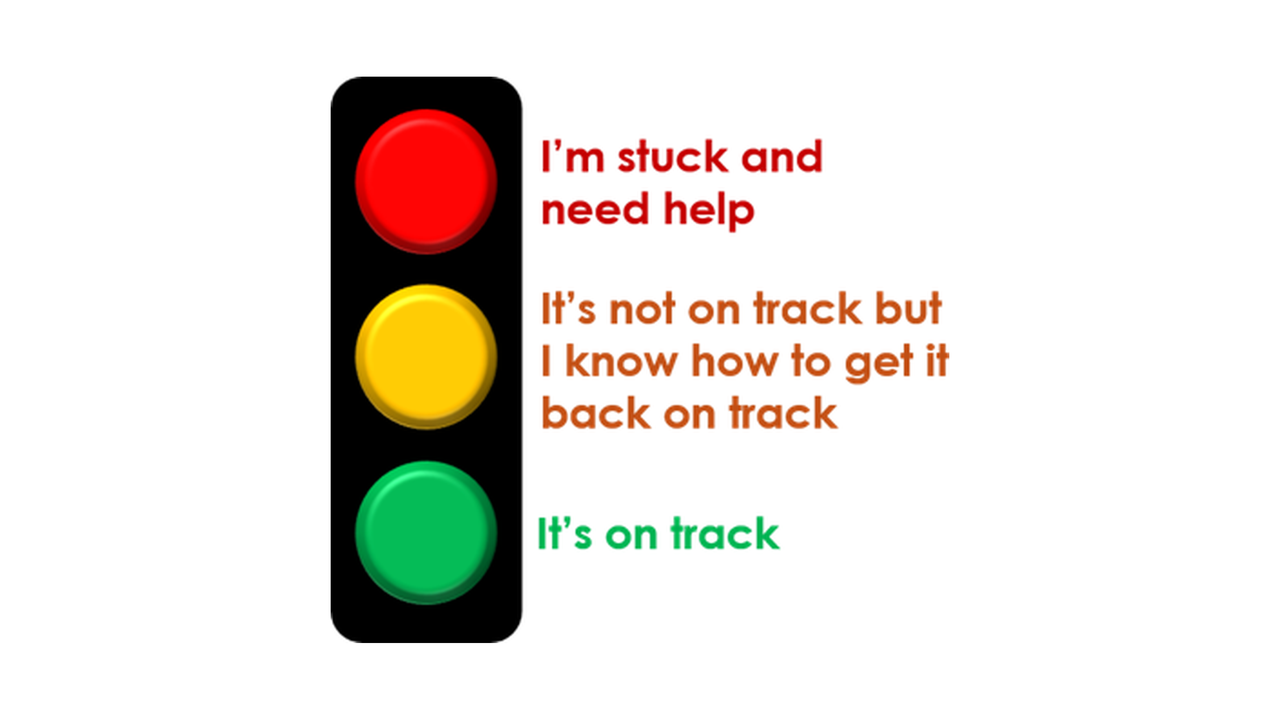
Think about what a good report-back meeting actually requires. It requires someone to say, out loud, in front of their peers: “Red. I’m stuck. I don’t know how to fix this.”
That single sentence is the engine of implementation. It’s the moment a problem becomes solvable. And in most organisations, it’s the one sentence nobody will say.
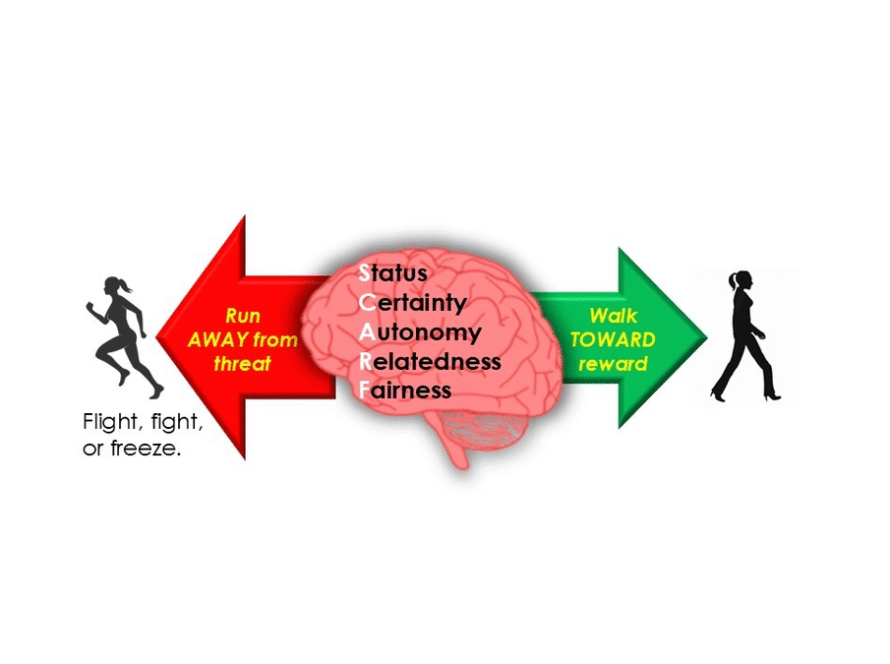
Why? Because saying it doesn’t feel safe. Admitting you’re stuck looks like failure. So people conflate amber with green, bury the real blocker, and protect themselves. The traffic lights stay reassuringly green while the plan quietly dies.
The structure is intact. The conversation underneath it is broken.
This isn’t a project problem. It’s a space problem. Implementation lives or dies in the quality of the conversations that carry it, and those conversations only happen where it’s safe to tell the truth, and where being stuck is treated as information, not weakness.
Build that space, and the structure comes alive: reds surface early, problems get solved while they’re small, momentum builds. Skip it, and you have a beautifully organised plan that everyone reports on and no one delivers.
So, before you tighten the structure again, ask a different question. Not “are we disciplined enough?” but “is it safe, in this room, to say I’m stuck?” Because in the end, your strategic plan doesn’t get implemented in the document. It gets implemented in the conversations. And every conversation is either profitable, or costly.