You announced the change in the meeting. Nobody argued. Everyone nodded.
And then nothing happened. People drifted back to the old way, quietly, without ever once pushing back. There was nothing to argue with, and nothing moved.
So, you reach the obvious conclusion: my people resist change.
Be careful with that conclusion. It is a verdict about who they are, and there is nothing you can do with it.
Here is what I noticed years ago. People move through change the way they move through grief. Denial, then resistance, then slowly exploring, then commitment. That is the clue, and it took me a while to see it.
People don’t resist change. They grieve a loss.
I watched this in a small business moving to new accounting software. The bookkeeper had complained about the old system for two years, it was clunky, slow, everyone agreed. Then the new system arrived and she became the biggest obstacle to it.
Why would someone fight for the thing they had been complaining about?
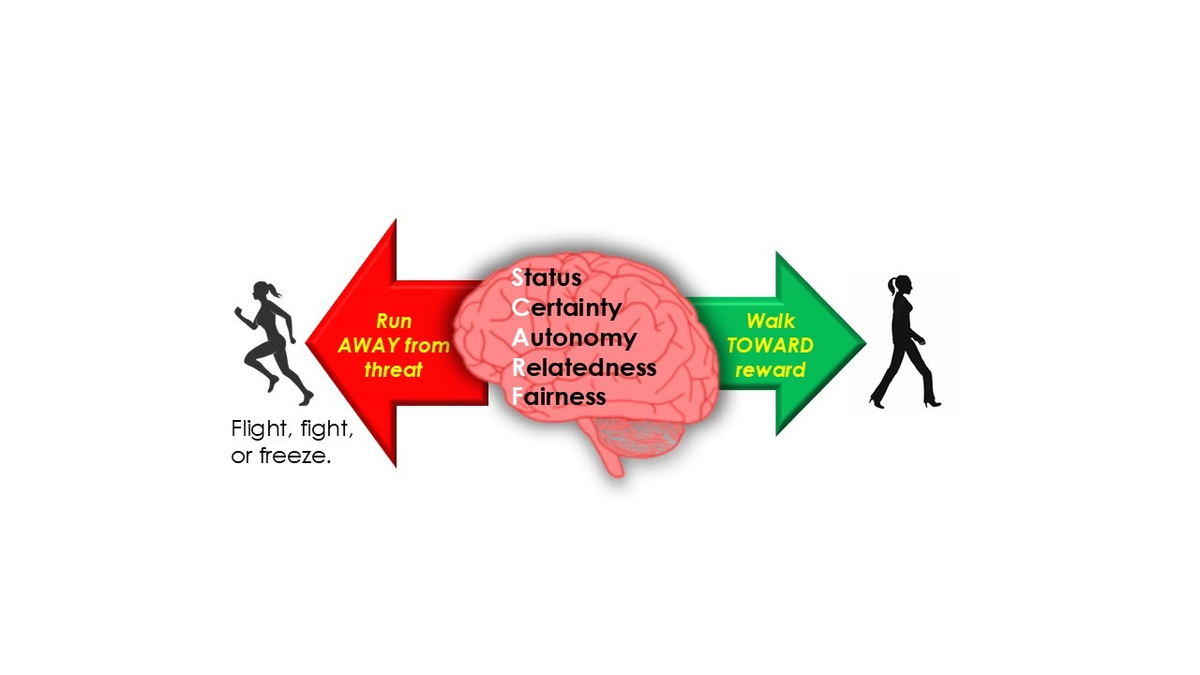
Look at what she lost. She had been the one everyone came to when the old system played up, and that was gone. She knew the old system cold and now faced months of not knowing. She had control of her own work and now she didn’t. And the relationships that came from being the person people needed had quietly changed.
Nobody asked her about any of that. They asked her to get on board.
She wasn’t resisting change. She was grieving a loss.
Drawing on David Rock’s work, our brains have a simple organising principle – to run from threat faster than we walk toward reward – and at work the threats that matter are psychological: (relative) Status, Certainty, Autonomy, Relationships, Fairness. Knowing that list is what lets you ask the right question, because “how do you feel about the new system?” won’t surface any of it.
And this is the part that matters. “Change-resistant” is a character flaw you can do nothing about. A perceived loss is a thought process, and you can work with that. You can surface it, talk about it, and address it before you implement rather than after.
The resistance was never defiance. It was information, arriving in the only form it had.